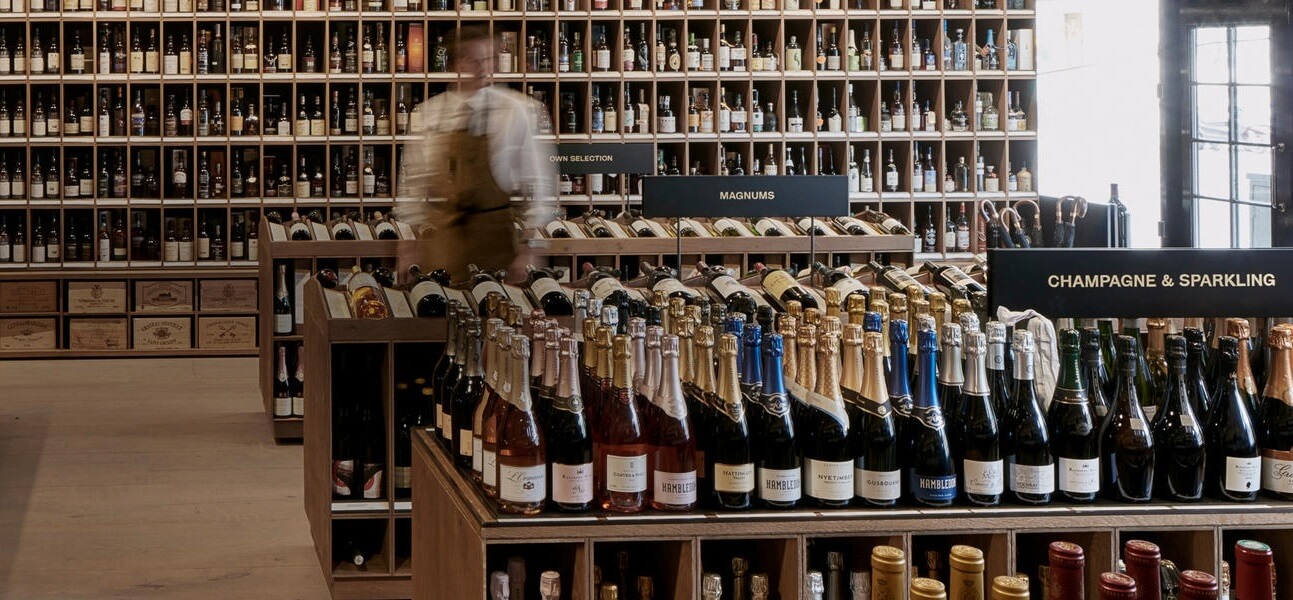
Wine sales are usually divided into two main areas: retail and customer service.
It is advisable for producers to combine several methods in order to spread the risk in case one method does not work.
もくじ
1. Selling Directly to Retailers
| Advantages | ・Producers can maximize their profits because there are no intermediate costs or margins. ・Producers can control their brand image. |
| Disadvantages | ・Producers will have an increased operational burden (transportation, shipping, payment of import taxes, legalization of labels to match the country of export) ・Producers are at risk of financial loss due to the possibility of bottles being lost or damaged in transit. ・Need to develop own retail outlets in the market and understand consumer preferences and laws of the exporting country. |
These disadvantages can be solved by using a distributors, but of course this will incur costs and thus reduce profits.
2. Appoint a Distributor
The scope of work of the Distributor varies, and the following are some of the differences among the vendors.
- Base of operations (same country as the producer / overseas)
- Stock holding (holding inventory / not holding)
- Possession of exclusive or preferential import and sales rights
In addition, depending on the scope of business, there are various designations such as “importer”, “distributor”, and “wholesaler”.
| Advantages | Producers can ・reduce operational workload ・access to market knowledge and connections ・find the right retailers for them ・delegate marketing ・reduce risk in transportation |
| Disadvantages | ・Margins and fees will be incurred ・It takes time and effort to find the right distributors. ・Inability to control sales, marketing and branding |
3. Establish a Joint Venture
In the wine industry, joint ventures have been established between companies at different stages of the supply chain in order to reduce intermediate margins.
| Advantages | ・Companies will be able to increase their profits by eliminating intermediate costs. ・Investment can increase the attractiveness of wine (especially for small producers) as they have more money to invest. |
| Disadvantages | ・Companies need to take the time and effort to carefully and clearly select partners. ・Responsibilities and obligations need to be clearly defined among partners. ・Compared to agency contracts, it is more difficult to switch contracts when things go wrong. |
4. Use a Broker
A Broker is an independent intermediary who does not represent either the seller or the buyer, but whose role is to “make the deal happen” without conducting the actual transaction. (Distributors are paid by the producer to sell the wine.
| Advantages | ・Brokers have in-depth and specialized knowledge of specific markets ・Lower commissions than distributors ・Brokers play an important role in the trade of fine wines (in Bordeaux, brokers have legal status as courtier gorumet (wine appraisers) and play an important role in mediating between chateaux and negociants) |
| Disadvantages | ・ |
5. Selling Directly to Customers
Recently, more and more producers are selling their wines directly to consumers.
As with direct sales to retailers, producers are able to maximize profits and control sales, but face an increased workload.
1. Cellar Door Sales
Cellar Door Sales is a method of selling wine directly to consumers who visit Estates and Wineries.
| Advantages | The following benefits can be expected due to the ability to engage directly with consumers. ・Increase brand awareness and loyalty (increase LTV and lead to repeat sales) ・Free marketing through word of mouth ・Market research through direct feedback during new product development |
| Disadvantages | ・Costs for cellar door locations, operating costs, etc. |
2. Events
Events is a way to interact directly with consumers by setting up stalls at tasting fairs and wine and food festivals.
| Advantages | ・Reach out to a larger and broader audience |
| Disadvantages | ・Additional costs and labor will be required (store opening costs, travel expenses, operating costs, etc.) ・Competition with other producers |
3. Wine Clubs
Wine Clubs are a way to have your own membership club, and to give priority to members for wine information and sales.
| Advantages | Basically the same as Cellar Door |
| Disadvantages | ・Additional costs and time are required for marketing (e.g., newsletter, shipping of wine). ・Risk of loss or damage to wine in transit ・Legal restrictions (some states in the US prohibit direct sales by producers) |
4. Online
Online selling is a method of selling directly to consumers through the Internet.
| Advantages | Basically the same as Cellar Door |
| Disadvantages | ・Producers need to create and maintain websites that are convenient and well-designed, which will ultimately lead to increased costs and workload (differentiation from other producers’ websites is essential). |